
Can Budgies Eat Melon?
Quick Facts
| Question | Answer |
|---|---|
| Safe? | 🟢 Yes |
| Best Form | Fresh, ripe |
| Frequency | Once per week |
| Good For | Hydration, digestion, immunity |
| Toxic? | ❌ No (flesh only) |
| Baby Budgies? | ✅ After weaning |
| Rind Safe? | ❌ No |
| Seeds Safe? | ⚠️ Remove them |
Quick Answer
✅ Yes! Budgies can safely eat melon as an occasional treat.
Melon is rich in vitamins, antioxidants, fiber, and water that support your budgie’s immune system, digestion, and overall health. Before feeding, remove the rind and seeds, and serve only the ripe flesh in small amounts.
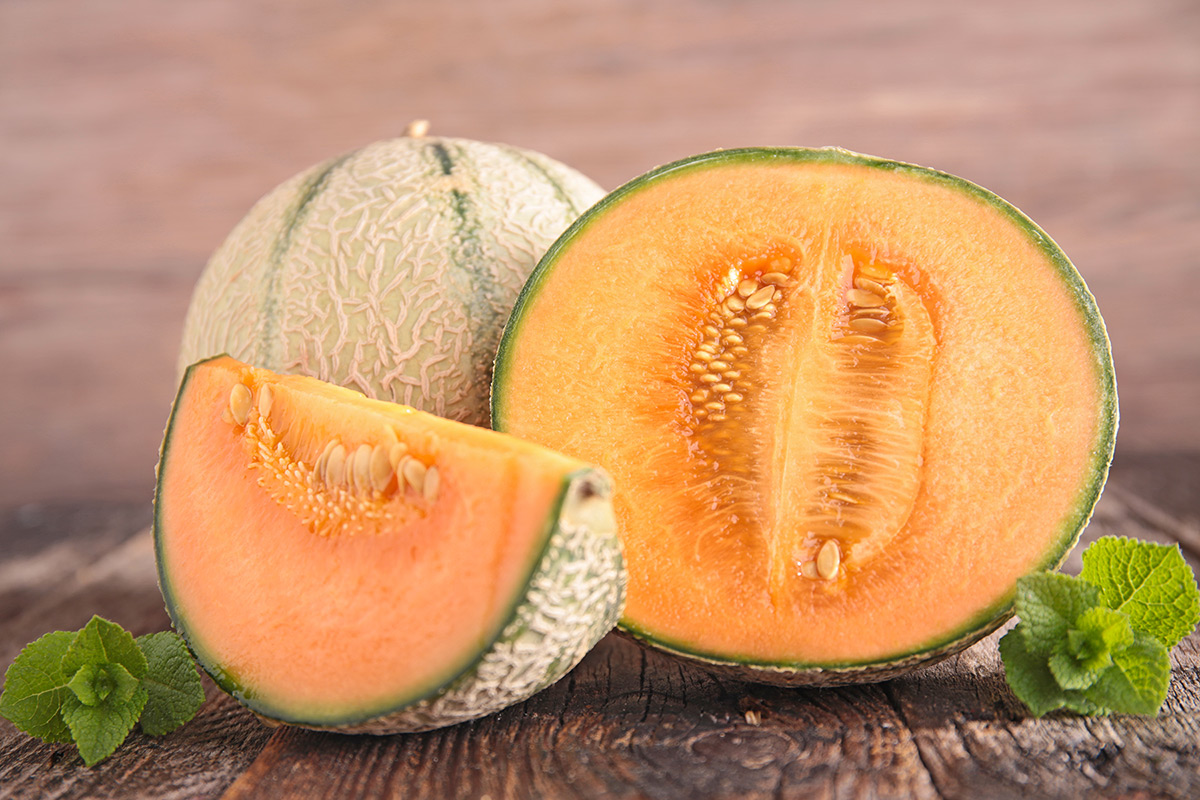
Melon Safety Rating
🟢 SAFE
| Food | Safety | Frequency |
|---|---|---|
| Melon Flesh | ✅ Safe | Once per week |
Why Is Melon Good for Budgies?
Melon is a refreshing fruit that provides several important nutrients while helping keep your budgie hydrated.
Some of its benefits include:
- Rich in Vitamin A for healthy vision, skin, and feathers.
- Contains Vitamin C to support the immune system.
- Provides dietary fiber that supports healthy digestion.
- Naturally high in water, helping keep your budgie hydrated.
- Contains antioxidants that help protect cells from oxidative stress.
- Provides potassium, which supports muscle and nerve function.
Because melon contains natural sugars, it should only be offered occasionally.
Nutritional Value of Melon
| Nutrient | Benefit for Budgies |
|---|---|
| Vitamin A | Supports vision, skin, and feather health |
| Vitamin C | Supports immune function |
| Fiber | Supports digestion |
| Potassium | Supports muscle and nerve function |
| Antioxidants | Help protect cells from damage |
| Water | Helps maintain hydration |
Which Types of Melon Can Budgies Eat?
Several types of melon are safe for budgies.
✅ Cantaloupe
✅ Honeydew melon
✅ Galia melon
✅ Canary melon
✅ Watermelon (see our dedicated watermelon guide)
All of these melons are safe when served fresh with the rind removed.
Which Parts of Melon Can Budgies Eat?
Only certain parts of the fruit are suitable.
✅ Flesh
⚠️ Seeds (best removed)
❌ Rind
The soft flesh is the healthiest part of the fruit. The thick outer rind should always be removed because it is difficult to digest and may contain pesticide residue. While some melon seeds are not considered toxic, they provide little nutritional value and may present a choking hazard, so it is best to remove them before feeding.
How Much Melon Should You Feed?
Although melon is healthy, it should only be one part of a balanced diet.
Recommended serving:
- One or two small bite-sized pieces per bird.
- Remove the rind and seeds before serving.
- Remove uneaten melon after 2–4 hours.
- Rotate with other fruits throughout the month.
Fresh fruit should complement a high-quality pellet diet (or a balanced seed-and-pellet diet, depending on your feeding approach), not replace it.
How Often Can Budgies Eat Melon?
Melon can be offered:
Once per week
Because melon contains natural sugars, moderation is important.
Good fruits to rotate with melon include:
How to Prepare Melon for Budgies
Preparation is simple:
- Wash the outside of the melon.
- Cut it open.
- Remove all seeds.
- Remove the rind.
- Cut the flesh into small bite-sized pieces.
- Serve fresh.
- Remove leftovers after a few hours.
Avoid adding:
❌ Sugar
❌ Syrup
❌ Honey
❌ Salt
❌ Any seasonings
Budgies should only eat fresh, plain melon.
Can Baby Budgies Eat Melon?
Yes—but only after they have been fully weaned onto solid foods.
Offer very small pieces at first and introduce them gradually while observing your young budgie’s response.
Can Sick Budgies Eat Melon?
In many cases, melon can still be offered because it is soft, hydrating, and easy to eat.
However:
- Birds with digestive problems may require foods recommended by an avian veterinarian.
- If your budgie has a diagnosed medical condition or is on medication, consult your avian veterinarian before making dietary changes.
Are There Any Risks?
Melon is generally very safe when prepared correctly.
Rind
The thick outer rind is difficult to digest and may contain pesticide residue. Always remove it before feeding.
Seeds
Although melon seeds are not considered toxic, they are best removed before feeding to reduce any choking risk.
Too Much Fruit
Large amounts of melon may provide excessive natural sugar and contribute to loose droppings.
Spoiled Fruit
Fresh melon spoils quickly. Remove uneaten fruit after a few hours to reduce the risk of bacterial growth.
Signs Your Budgie Doesn’t Like Melon
Every budgie has individual preferences.
Your budgie may:
- Ignore it initially.
- Take only a few bites.
- Prefer other fruits.
- Need several introductions before accepting it.
Persistence is important. Many budgies require multiple exposures before trying a new food.
Frequently Asked Questions
Can budgies eat cantaloupe?
Yes. Cantaloupe is completely safe and is one of the most nutritious melons because it is rich in vitamin A.
Can budgies eat honeydew melon?
Yes. Honeydew melon is safe when the rind and seeds have been removed.
Can budgies eat Galia melon?
Yes. Galia melon is safe and can be fed in the same way as other melons.
Can budgies eat melon rind?
No. The rind should always be removed before feeding because it is difficult to digest.
Can budgies eat melon seeds?
It is best to remove them before feeding. While they are not generally considered toxic, they provide little benefit and may present a choking risk.
Can budgies eat melon every day?
It’s better to offer melon only once per week and rotate different fruits. A varied diet helps ensure your budgie receives a broad range of nutrients.
My budgie won’t eat melon. What should I do?
Try:
- Cutting it into smaller pieces.
- Offering a sweeter variety, such as cantaloupe.
- Mixing it with other fruits your budgie already enjoys.
- Offering it several times over a few weeks, as many budgies need repeated exposure before accepting a new food.
Final Verdict
⭐ Melon is a safe, refreshing, and nutritious fruit that budgies can enjoy as an occasional treat.
Whether you choose cantaloupe, honeydew, Galia, or another edible melon, the soft flesh provides vitamins, antioxidants, fiber, potassium, and plenty of hydration. Always remove the rind and seeds before feeding, and offer melon in moderation as part of a varied and balanced diet.