
Can Budgies Eat Bananas?
Quick Facts
| Question | Answer |
|---|---|
| Safe? | 🟢 Yes |
| Best Form | Fresh, ripe |
| Frequency | 1–2 times per week |
| Main Benefits | Potassium, digestion, energy |
| Toxic? | ❌ No |
| Baby Budgies? | ✅ After weaning |
| Cooked? | ❌ Fresh only |
| Peel Safe? | ⚠️ Not recommended |
Quick Answer
✅ Yes! Budgies can safely eat bananas, but they should only be offered in moderation.
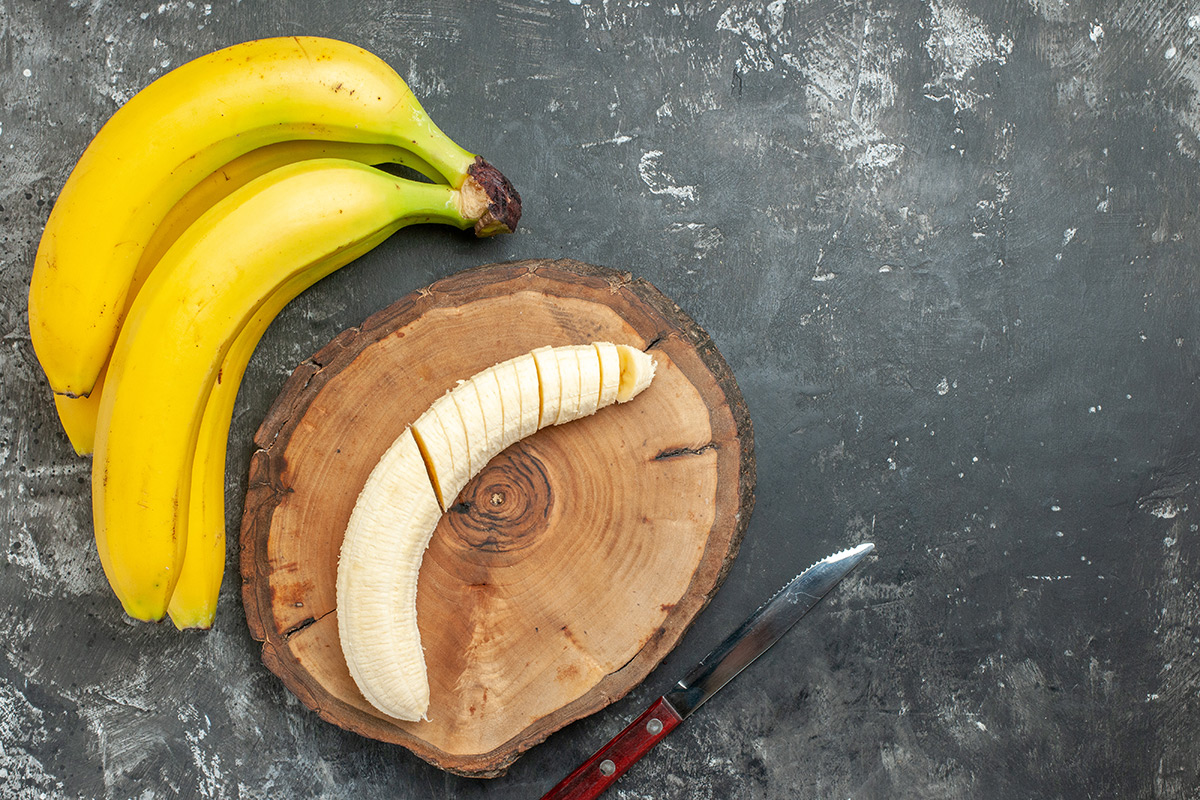
Bananas are soft, nutritious, and packed with potassium, vitamin B6, and fiber. Most budgies enjoy their naturally sweet taste, but because bananas contain more natural sugar than most vegetables, they should be treated as an occasional snack rather than a daily food.
Banana Safety Rating
🟢 SAFE IN MODERATION
| Food | Safety | Frequency |
|---|---|---|
| Bananas | ✅ Safe | 1–2 times per week |
Why Are Bananas Good for Budgies?
Bananas can be a healthy addition to your budgie’s diet when offered as an occasional treat. Their soft texture makes them easy to eat, and they provide several important nutrients that support your bird’s overall health.
Some of the benefits include:
- Rich in potassium, which supports healthy muscles and nerves.
- Contains vitamin B6, which helps support normal metabolism.
- Provides dietary fiber that supports healthy digestion.
- Contains antioxidants that help protect cells from oxidative stress.
- Soft texture makes them easy for most budgies to eat.
Because bananas are naturally high in sugar, they should never replace fresh vegetables or your budgie’s regular balanced diet.
Nutritional Value of Bananas
Bananas provide several nutrients that can benefit your budgie when fed in moderation.
| Nutrient | Benefit for Budgies |
|---|---|
| Potassium | Supports healthy muscles and nerves |
| Vitamin B6 | Supports normal metabolism |
| Fiber | Supports healthy digestion |
| Vitamin C | Supports the immune system |
| Antioxidants | Help protect cells from damage |
| Natural Sugars | Provide quick energy when fed in moderation |
Which Parts of Bananas Can Budgies Eat?
Budgies can safely eat:
✅ Banana flesh
It is generally best to avoid feeding:
⚠️ Banana peel
Although banana peel is not considered toxic, it may contain pesticide residues or waxes unless it has been thoroughly washed and comes from an organic source. Most owners choose to feed only the fruit itself.
How Much Banana Should You Feed?
Although bananas are healthy, they should only be offered as an occasional treat.
Recommended serving:
- One or two small slices per bird.
- Remove uneaten banana after 2–4 hours to prevent spoilage.
- Rotate bananas with other fruits and vegetables throughout the week.
Fresh fruit should complement a high-quality pellet diet (or a balanced seed-and-pellet diet, depending on your feeding approach), not replace it.
How Often Can Budgies Eat Bananas?
Bananas are best offered:
1–2 times per week
Since bananas contain more natural sugar than most vegetables, feeding them too often may contribute to weight gain or encourage your budgie to prefer sweeter foods over healthier vegetables.
How to Prepare Bananas for Budgies
Preparing bananas is simple.
- Wash the outside of the banana before peeling.
- Peel the banana.
- Cut a small piece into bite-sized slices.
- Serve fresh.
- Remove leftovers after a few hours.
Avoid adding:
❌ Sugar
❌ Honey
❌ Chocolate
❌ Yogurt
❌ Any sweet toppings
Budgies should only eat fresh, plain banana.
Can Baby Budgies Eat Bananas?
Yes—but only after they have been fully weaned onto solid foods.
Introduce very small pieces and observe whether the young bird enjoys them. As with any new food, introduce bananas gradually alongside a varied diet.
Can Sick Budgies Eat Bananas?
In many cases, bananas can still be offered because they are soft and easy to eat.
However:
- Their natural sugar content means they should only be offered in small amounts.
- If your budgie has a diagnosed medical condition or is receiving treatment, consult an avian veterinarian before making significant dietary changes.
Are There Any Risks?
Bananas are generally very safe.
Potential concerns include:
High Natural Sugar
Bananas contain more natural sugar than most vegetables. Too much fruit may contribute to obesity or reduce your budgie’s interest in eating healthier foods.
Spoiled Fruit
Fresh banana spoils quickly. Remove uneaten fruit after a few hours to reduce the risk of bacterial growth.
Pesticide Residues
Always wash the outside of the banana before peeling, and avoid feeding the peel unless you are certain it is clean and free from harmful residues.
Signs Your Budgie Enjoys Bananas
Many budgies love bananas because of their soft texture and sweet taste.
Your budgie may:
- Eat small pieces immediately.
- Prefer mashed banana over slices.
- Pick up tiny pieces and nibble slowly.
- Need several introductions before trying it.
Every budgie has its own preferences, so don’t be discouraged if yours doesn’t enjoy bananas at first.
Frequently Asked Questions
Can budgies eat bananas every day?
No. Bananas are safe but should only be offered once or twice a week because they are naturally high in sugar.
Can budgies eat ripe bananas?
Yes. Ripe bananas are soft, easy to eat, and the best choice for budgies.
Can budgies eat green bananas?
Ripe bananas are recommended. Green bananas are firmer and less palatable for most budgies.
Can budgies eat banana peel?
It is best to avoid feeding banana peel because it may contain pesticide residues or protective waxes unless it has been thoroughly washed and comes from an organic source.
My budgie won’t eat bananas. What should I do?
Try:
- Cutting the banana into smaller pieces.
- Mashing a small amount.
- Mixing it with vegetables your budgie already enjoys.
- Offering it again on another day.
Many budgies need several introductions before accepting a new food.
Final Verdict
⭐ Bananas are a safe and nutritious treat for budgies when fed in moderation.
Their soft texture and valuable nutrients make them a popular fruit for many budgies. Because bananas are naturally high in sugar, they should be offered only occasionally as part of a varied diet that focuses primarily on high-quality pellets, fresh vegetables, and other healthy foods.